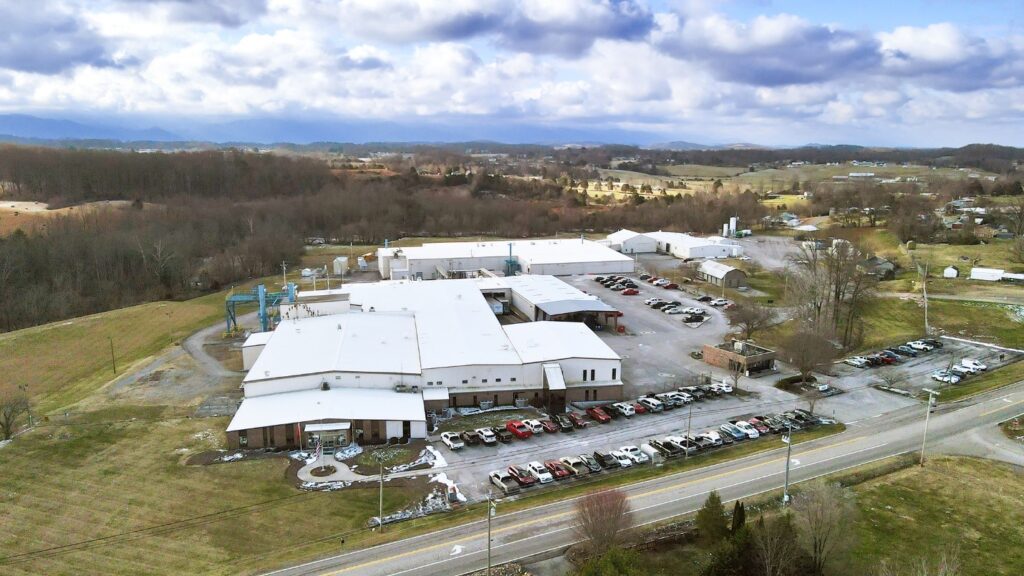
For more than 55 years, Jonesborough has played a vital role in securing our country’s place in the world. The men and women who have served this mission proudly come from Jonesborough, Northeast Tennessee and elsewhere to use their talents as machinists, welders, engineers, environmental and safety professionals, security personnel, staff support and managers. They are dedicated to producing the materials our military needs to defend freedom here and around the globe as well as materials for commercial shielding applications.
Established in 1969 as Tennessee Nuclear Specialties, the BWXT Ordnance Tennessee site has evolved through decades of innovation and strategic partnerships, while never losing the connection to the community where it’s located. The owners have changed, that’s for sure – employee-owned, Aerojet, Aerojet Rocketdyne, L3Harris, now BWXT. But what hasn’t changed is the commitment to quality, to safety and to caring for the environment around us. And the professionalism of the people who work here.
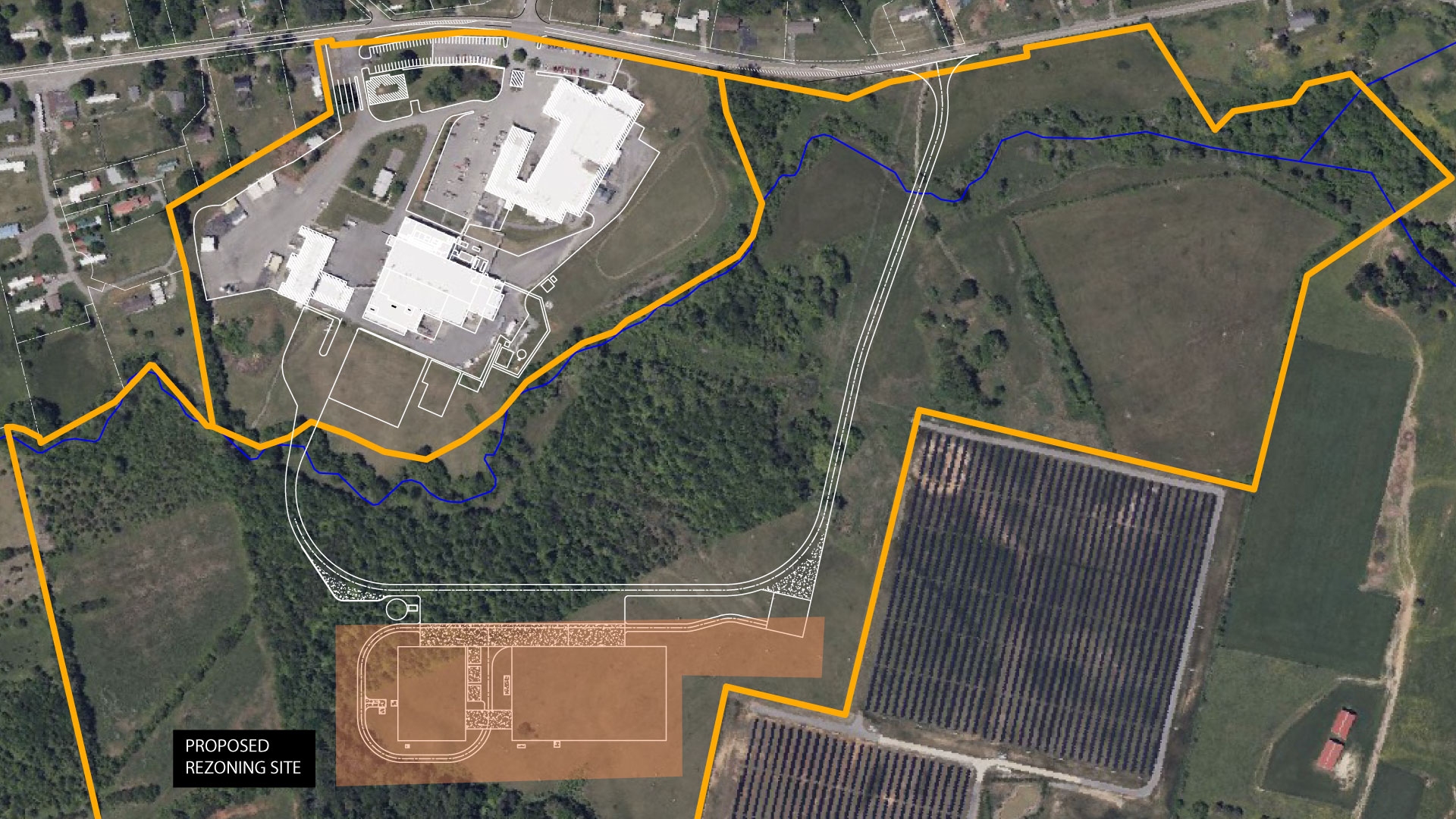
BWXT is seeking to rezone some of our land in Jonesborough to expand our facilities in support of a national security mission.
Why is rezoning this land important?
BWXT specifically selected to rezone this portion of our property for these reasons:
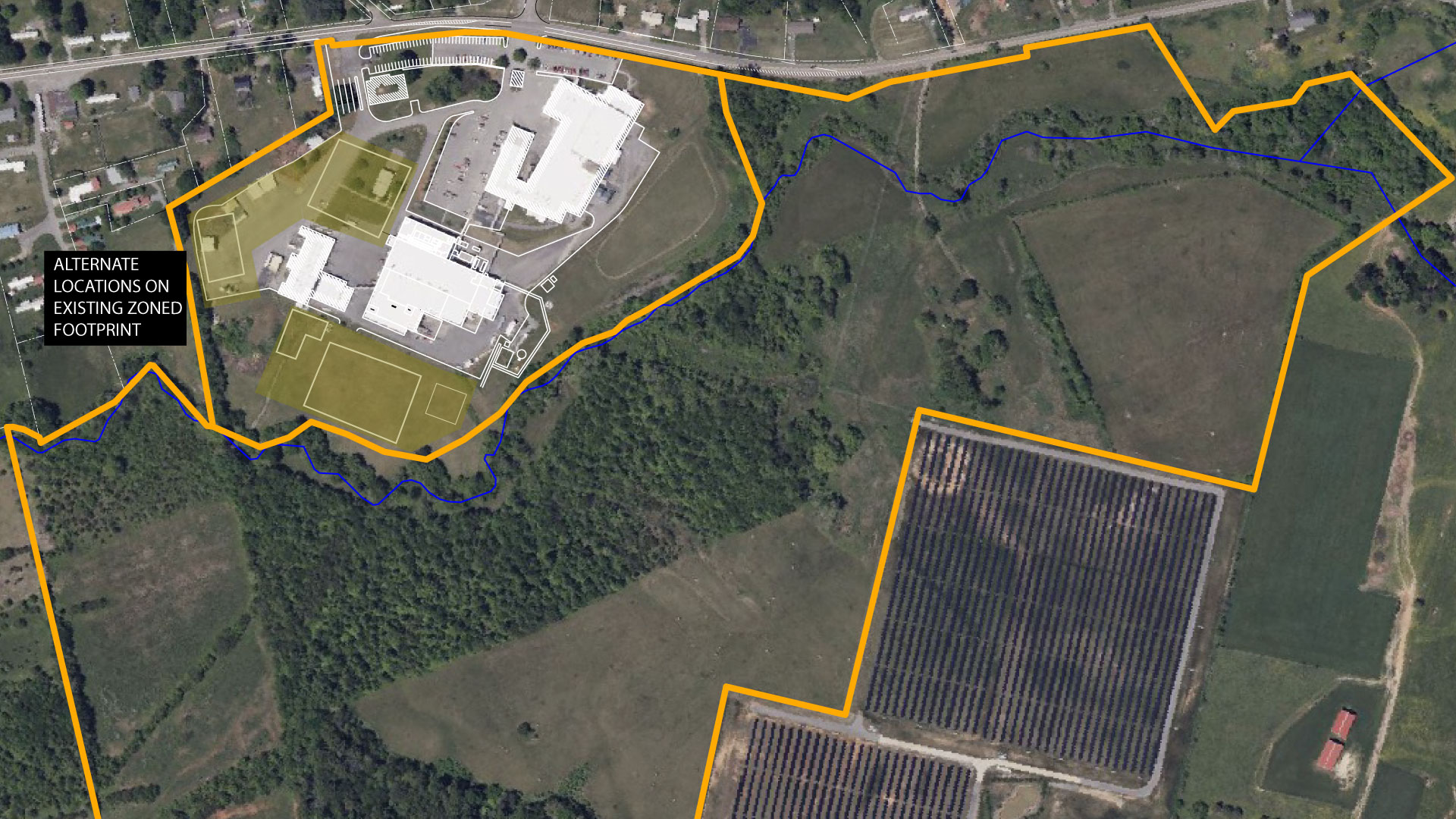
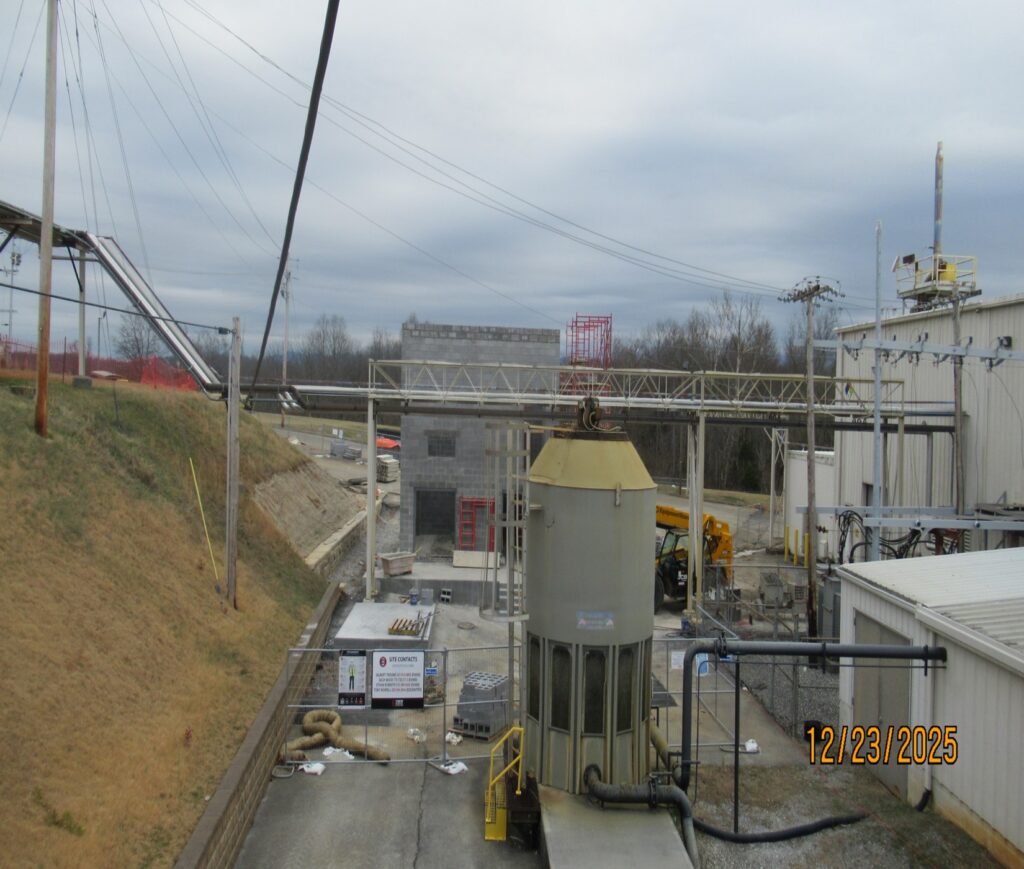
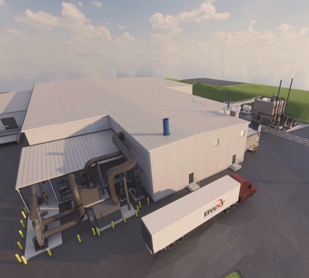
These considerations are important to us. The photos below show two options: one if the rezoning is approved and one if we must built-out our facilities on our existing industrial-zoned footprint.
We think the choice is clear.
High Purity Depleted Uranium (HPDU) first appeared as a product line at the Jonesborough facility in the early 1970’s. In 1983, the facility expanded its operations to increase capacity to meet the demand for depleted uranium munitions components for the Abrams Tank, giving the warfighter superior fire power in the field and protecting lives. By 1995, Aerojet was selected by the federal government as the nation’s single source supplier of depleted uranium components as the demand for HPDU had declined and the broadened its portfolio in 2001, adding the M67 grenade component line to be followed by powder metallurgy capabilities and other advanced materials and high strength alloys like specialty steel, tungsten and molybdenum. The facility remains the only source of depleted uranium for the Federal government.

In early 2013, the site began working with the Federal government to meet our nation’s need to restore production of unalloyed high purity depleted uranium, or HPDU. That effort included lab-scale work utilizing chemical purification techniques and conversion to feed material required to produce HPDU metal. The project progressed through pilot scale work that led to a contract in 2023 to build a small-scale production plant to demonstrate production capability.
In order to bolster the company’s overall national security support for the Federal government, on Jan. 6, 2025, BWXT acquired L3Harris’ Aerojet Ordnance Tennessee business, renaming it BWXT Ordnance Tennessee, Inc., and marking a new chapter at a site that has supported Jonesborough for more than 55 years.
On Sept. 30, 2025, we announced that the Department of Energy’s National Nuclear Security Administration (NNSA) awarded BWXT a 10-year contract valued at $1.6 billion to establish a high purity depleted uranium manufacturing plant in Jonesborough. Under the contract, we will design the initial production process line in an existing building and design a full-scale production facility, to include necessary license amendments and permitting to prepare the site for production of 300 metric tons of HPDU metal annually.
The HPDU manufacturing process involves converting uranium oxide into usable metal, a method previously utilized at the Jonesborough site and at other U.S. locations.
Our design plan emphasizes engineered environmental controls and solid waste management, ensuring no additional liquid discharge into local waterways from the new processes, such as Little Limestone Creek.

Our company, management and employees are dedicated to continuous improvements in our manufacturing processes to enhance sustainability and environmental stewardship in the community.
HPDU describes depleted uranium metal that meets the impurity specifications required by the Federal government. The Jonesborough site has produced depleted uranium metal that meets the same specifications as HPDU for decades, fully complying with all state and federal regulations.
For background, uranium is a naturally occurring radioactive element. It is naturally present in nearly all rocks, soils, and air. It’s in your backyard and in your granite kitchen countertops. It can be redistributed in the environment through wind and water erosion.
Depleted uranium simply contains less U234 and U235. This means it’s 40% less radioactive than natural uranium.
When feed materials cannot meet the purity specification of “high purity,” a chemical purification process will be used to remove the impurities. The waste generated from this process is solidified and responsibly disposed of offsite.
It’s important to note that high purity depleted uranium is not utilized as nuclear fuel for reactors.
Creating a lasting, positive impact goes beyond supporting our employees. It extends to strengthening the communities where we live and work, and BWXT proudly supports Northeast Tennessee through corporate giving, employee volunteering, community engagement and school outreach.
Each year, we prioritize supporting area nonprofits to further their missions and assist those in need in Northeast Tennessee. After the devastating flooding Hurricane Helene left in her wake in late 2024, we partnered with the United Way of Unicoi County to provide a $100,000 donation to support recovery efforts. In 2025, we made charitable donations of $130,000 to support these hardworking organizations, prioritizing those that were directly impacted by the storm or actively involved in recovery efforts.
Each year, employees participate in annual volunteer, fundraising and drive efforts supporting various United Way agencies in eastern Tennessee.
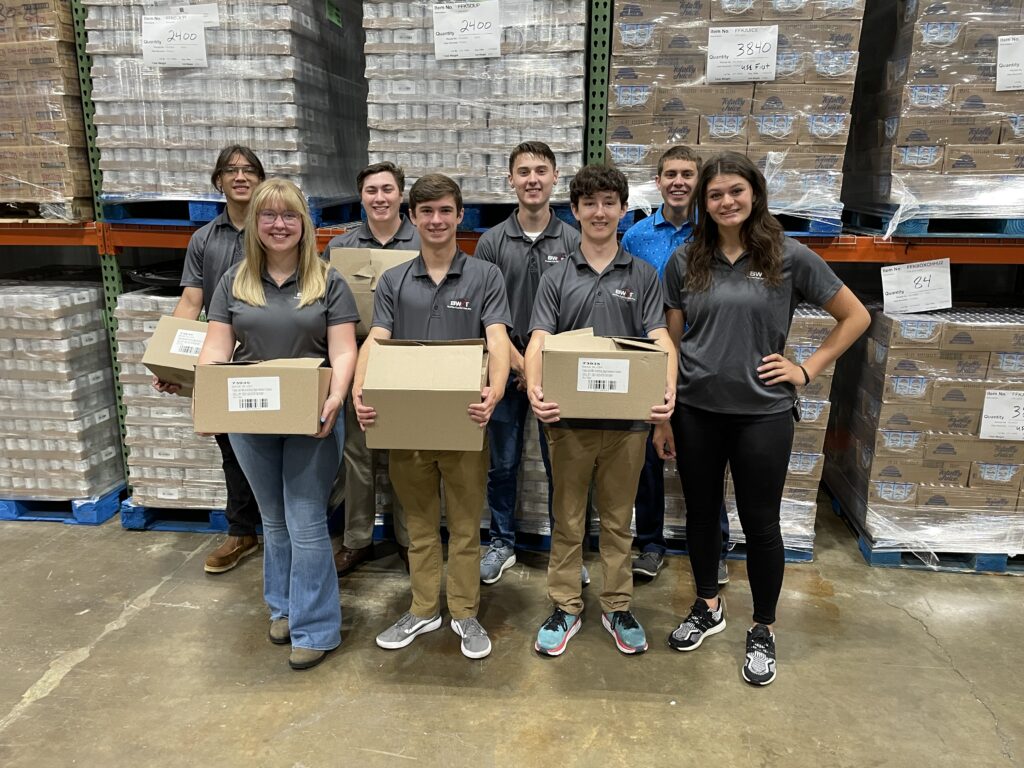
Our 70-employee Speaker’s Bureau has been leading the way in promoting STEM education in local classrooms for two decades, reaching roughly 4,000 students in Northeast Tennessee each year. Through frequent touchpoints with students, our employees are sharing real-world experiences from the nuclear industry and inspiring students to explore engineering concepts and careers at BWXT. This team was recognized in 2024 with a Communitas Award for their commitment to educating and shaping the workforce of tomorrow.
In 2024, we brought back a community favorite program – the Goal Card program. This program promotes student performance by incentivizing students to meet attendance requirements and maintain A/B honor roll status. During the 2024-2025 school year, we awarded 340 Goal Cards, redeemable at local retailers, to students who met the requirements. And after one quarter in the 2025-2026 school year, we have awarded another 180 cards. This program has proven to be a valuable initiative that promotes student success, and we are proud to support it.


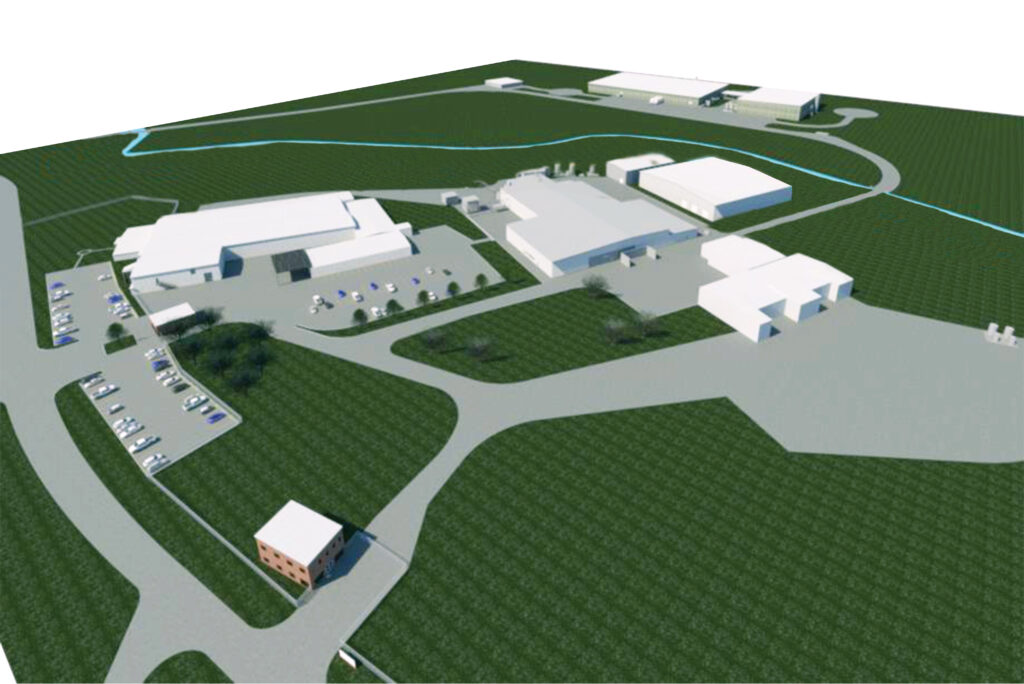
At our Jonesborough site, BWXT Ordnance Tennessee plans to:
BWXT is constructing facilities now that will have the capability of producing up to 20 metric tons of high purity depleted uranium to fulfill a previous contract with the NNSA. This facility is located in the current industrial-zoned area of the site. We anticipate production of HPDU to begin at this facility in Summer of 2026.
In the coming months, initial construction activities for the NNSA 10-year HPDU production contract will begin in the current Industrial-zoned area.
The main benefits are strengthening national security while boosting local employment.
This rezoning is not spot zoning, nor the introduction of a new industrial park. The request simply reflects a logical expansion of our existing and contiguous industrial site, which we own and will maintain moving forward.
BWXT Ordnance Tennessee in Jonesborough will not:
Our facility will continue operating under strict state and federal licensing as well as all required environmental regulations.
Natural uranium is made up of three isotopes: U238 (99.28%), U235 (0.72%) and U234 (0.0058%). Depleted uranium has a reduced amount of U235 (0.2%) and U234 (0.001%), making it about 40% less radioactive than natural uranium. (Source: Environmental Protection Agency)
Yes. The HPDU process planned in the proposed rezoned area still requires a National Environmental Policy Act (NEPA) study. The NEPA study is managed entirely under federal jurisdiction and will occur before process building construction begins. This includes all aspects of consideration related to safety and handling of depleted uranium, which are exclusively controlled and evaluated by the federal government within the confines of this project.
A NEPA review considers:
The new buildings will follow all local, state and federal codes and regulations. Comprehensive safety, design and regulatory reviews will be conducted prior to construction and production start by agencies of Washington County, the Tennessee Department of Environment and Conservation and appropriate federal agencies.
In November 2024, the NNSA reviewed the risk of both actions for depleted uranium processing and published a Finding of No Significant Impact (FONSI) and included the determination “Because of the low hazard posed by DU oxide, the material would not be an attractive target for a terrorist attack or other intentional destructive acts.”
A similar NNSA review will take place for the new facilities before they are constructed.
No. All new facilities are located outside of the Little Limestone Creek floodplain.
During construction, we expect traffic impacts on the roads around our facility. We are actively coordinating with local and state officials to address these impacts to the greatest extent possible, including widening Old State Route 34 in front of the plant by utilizing BWXT property for the project. We will continue to coordinate long-term transportation planning with Washington County and the State of Tennessee as the project progresses.
Improvements will support both construction activity and routine daily travel by the community.
The Piketon, Ohio, Department of Energy site is not owned or operated by BWXT. It was once used for gaseous diffusion enrichment processes. As a legacy DOE site that operated prior to many of today’s regulations and standards, it certainly has environmental cleanup work that remains ongoing. BWXT has been part of contracts to lead the clean-up of the DOE facility, but we are not currently on contract to do so. We are on contract with DOE-Environmental Management at several other DOE sites, using our long-standing remediation expertise to aid in the clean-up of similar legacy DOE operations.
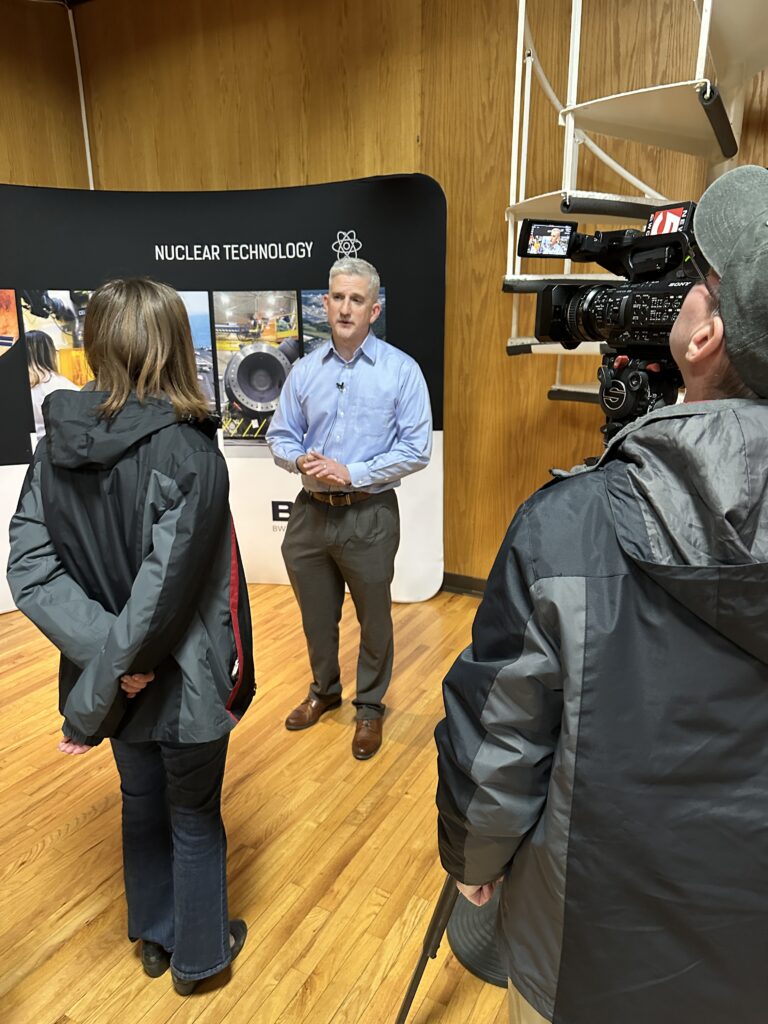
BWXT hosted a public information event on Dec. 11, 2025, to provide additional information to the community about the Jonesborough project. The event provided the opportunity for the community to engage directly with BWXT leadership, team members, and subject matter experts. Attendees were encouraged to ask questions and discuss their concerns about the project in one-on-one settings.